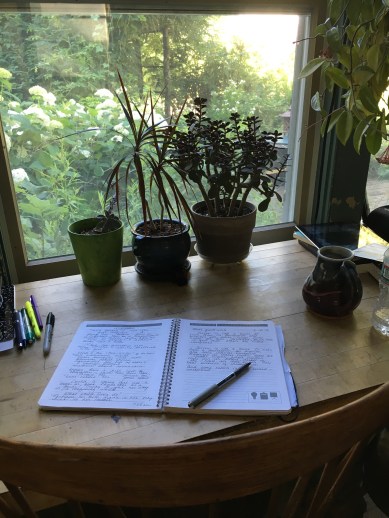
I’ve always been a straight A student. As a child, a big part of my self worth derived from that and to be honest, to some extent, probably still does. For the record, I’m not totally proud of that. There are times that that status and the perceived necessity to be “excellent” stopped me from taking risks or opening new doors. Now that I’m older, I’m recognizing some lost opportunities, for I’ve taken the safer road a lot. I’m working on recognizing that thoughtful risk-taking can offer enormous benefits and that being perfect isn’t possible, isn’t always fun, and isn’t necessarily desirable. If I try something new and the outcome is messy and less than perfect, that doesn’t mean it’s a failure. In fact, it can be a tremendous opportunity for learning and growth. I know this, intellectually, and I recognize the value of making mistakes and learning from them, but there is still part of me that shies away from that vulnerability. With school beginning in mere weeks, I’ve been thinking a lot about this as I’ve chosen to move from teaching first grade to teaching fourth grade.
 I recently read an essay in How to Be The Teacher You Want to Be. In this essay,”The Journey of a Single Hour: Exploring the Rich Promise of an Immediate Release of Responsibility”, Katie Wood Ray writes about the skillful work of teacher Lisa Cleaveland. This teacher positions her kindergarten students to be decision makers on their first day of school and to build their identity as bookmakers. In a nutshell Ms. Cleaveland spends some time reading a book with her students and then shows them 6-page booklets and tells them they’ll be making books. She does not list step-by-step instructions detailing how they will do this. After a moment one student asks, “Well, how do you make books?” She responds, “What else do you think we’ll need?”, turning the question right back to them.
As I read this, I considered how I feel, even now, when faced with an undefined task before me. Even as an adult, the inner-I-want-to-be perfect part of me squirms with discomfort. “But tell me what to do!” I want to cry. I want the blueprint. I want the step by step instructions. They’re safer. I feel a lot like Heidi, the little girl in this essay who finally says, “But I don’t know how to.” Then her wonderful teacher says, “Well, you’ll get started.” And after a bit Heidi says, “But I can write my name.” She figures out an entry point. So as I head into teaching a new grade, I’m thinking about Heidi and about what I already do know about teaching. What I have learned and can do. How do I build off that foundation to move into new areas? As I prepare, I’m striving to become comfortable working amidst a field of questions and recognizing that they won’t all be answered. Not even by the end of the year.
This past spring I read Julie Falatko’s blog post on Two Writing Teachers. I was struck by this line: “Because you can’t be proud of something you got handed. You can’t be proud of it if your final finished product didn’t take any work or skill on your part.” A big part of me does want all the answers now. I want my new colleague to say, “Here, this is exactly how we do it, step by step.” But while there’s safety in that, there’s limited opportunity for growth. I opted to change because I knew it was time for some growth. I need to dive in and do what I can do, use what I do know to get started. I’m sure it will be tangled and confusing and convoluted and there will be times when I regret making the change and am overwhelmed by the challenges. But I know that if I work through problems, over and around obstacles, I will persevere to achieve something worthwhile, even though it may not be perfect, and I can take pride in the struggle, change and growth, as much as in that finished product.
Despite my best efforts this summer, I can’t read every middle grade novel and relevant picture book. I can’t know the curriculum inside and out. But I can work from the base of what I do know and learn to revel in the unknown aspects–to walk the walk that I expect my students to every year. To make mistakes, to learn from them. To ask for help, to open myself up to criticism, trusting that it will be constructive and will help me move forward. So, I’m taking a deep breath and preparing as best as I can, knowing this could get messy but stepping forward anyway. In the words of Ms. Cleaveland, I’m getting started. Wish me luck!
 After writing a rather unfriendly poem about blue jays recently (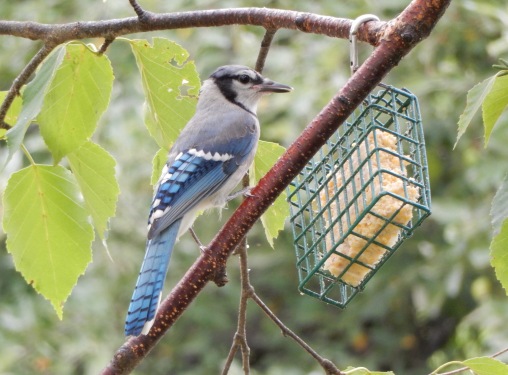
 I’ve been thinking a lot about mirrors and windows recently. To be more specific, I’ve been thinking a lot about how the books in our classrooms should serve as both mirrors and windows for our students. I’m not sure who coined these terms or when their use originated and I suspect I’m late to the discussion. Regardless, I’ve given a lot of thought lately to the role of diverse books in my library and to the reasons why deliberate cultivation of a diverse library is important.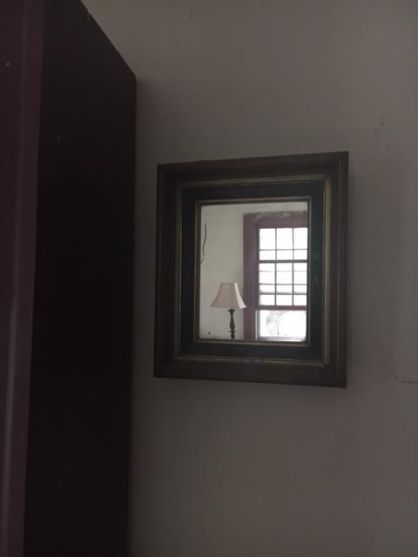
 “Excuse me, can you tell me where the restrooms are?” I ask the man at the counter.
 Finally, after great focus and effort and a couple of near collisions with lollygagging shoppers, I climb the last dreaded flight of stairs and step onto the floor of the children’s section. Where are those bathrooms? Looking around frantically, I see the signs tucked in a nearby corner. Hallelujah! Never has anyone been so happy to see those two icons! With no one between me and my goal, I zoom into the bathroom and into the first open stall, shutting the door and locking it in one quick, desperate move. I drop my tote bag on the floor with one hand and reach for my belt with the other.

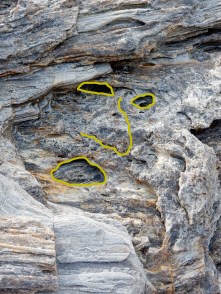


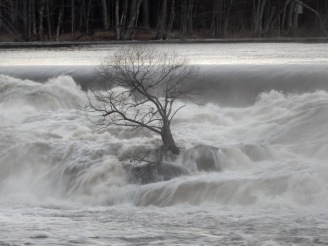


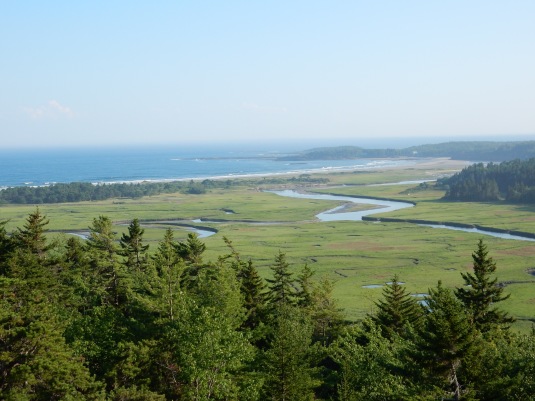
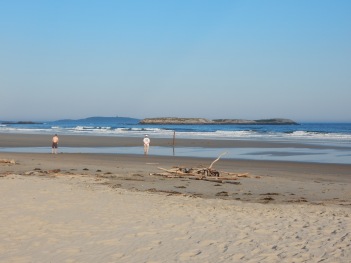 After that detour we hit the trail again, descending and weaving in and out of more marsh and forest. Salty air and the thunder of waves welcomed us as we finally arrived at the beach to find it almost deserted and filled with amazing evening light. One direction was sunny and clear, the other hazy and moody. The tide was out and the sky reflected in the wet sand. Clouds scudded across puddles.