My cousin’s e-mail subject heading caught my attention immediately. “Some pics of your mom.” I opened the e-mail, skipped the message, then clicked on the digital attachments eagerly, one by one. The first two pictures were familiar to me
 . They both show my mother, a vibrant bride, gowned in antique lace on her wedding day. She was 19 years old, and so much, that I know of, still lay before her.
The third picture was new to me. 34 years after her death, I don’t often encounter a new picture of my mom. She was 38 when she died unexpectedly and I was 14. She died unexpectedly. I just realized that I always link those words when I speak of my mother’s death. Perhaps I just want everyone to know, without going into details, how blindsided we were and that we never got to say goodbye.
This third photo framed in a golden oval is a candid shot, close-up, of her smiling. It looks like it was taken not long before she died, or at least she looks like I most remember, warmly familiar, but also somehow like a stranger in this new context. A beloved stranger. How odd. How unsettling.
Now, a decade older than my mother ever was, I study this new photo. I look into her eyes, so similar to mine, and wonder about all that never was. I realize that my grief isn’t static–it’s dynamic–constantly evolving in a way my mother never had the chance to do. I never knew all the women my mother would have been and was. I knew her only as my mother. When I miss her now, I’m missing not only who she was, but also my version of who I think my mother would have been, and a relationship that I am only imagining. How odd. How unsettling.

 We settled into our balcony seats at the University of Maine Yuletide Concert, looking forward to a couple of hours of holiday music and a chance to touch base with our youngest child. Shortly afterward, the lights dimmed and a recorded announcement thanked everyone for coming and noted the location of emergency exits. Pretty standard. Then, the recording added that in case of an emergency, audience members should stay in their seats and listen for and follow instructions which would be announced over the PA system. Not so standard.

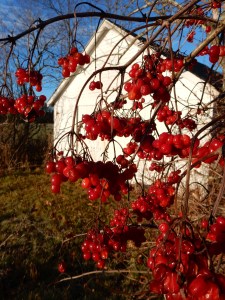 I continued on my walk, taking note of frost rimed leaves, the rustle of skittering squirrels and chipmunks, varied bird song and the colorful skirts of windfall apples spread at the base of trees. Further down the road laden branches bent and their bounty of plump crimson berries dangled before a building glowing in the early morning sunlight. Vibrant. Saturated. Intense. A visual feast.
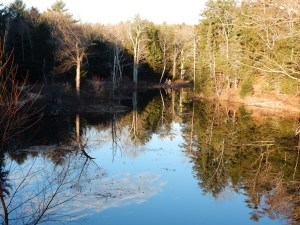
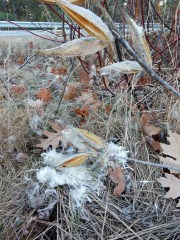 On my route toward home, burst milkweed pods with tumbling gossamer strands lay adjacent to the road. Ice crystals lightly coated their dessicated hulls, but a few valiant seeds still poised for flight, their silky filaments awaiting a timely breeze to waft them toward fresh soil. And in a nearby field, frost winked in the sunlight, setting the field dancing with vivid, sparkling flashes.

 Throw back the sheets, they said.


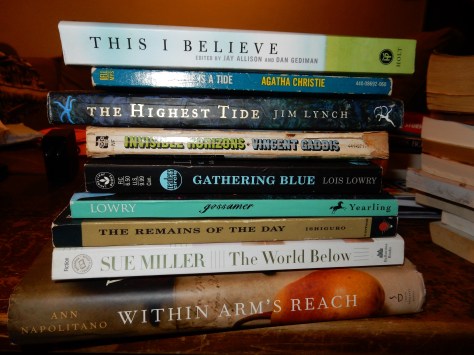
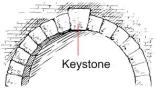 But now that week after week after week has gone by and I’m listening to the sixth book, I’ve started to wonder about this new habit. I recently came across the term “keystone habit”, coined, I believe, by Charles Duhigg. He maintains that certain habits set off chain reactions of other habits, a cascade or domino effect. Generally he emphasizes how creating a positive habit in your life makes it easier for other positive habits to fall into place.