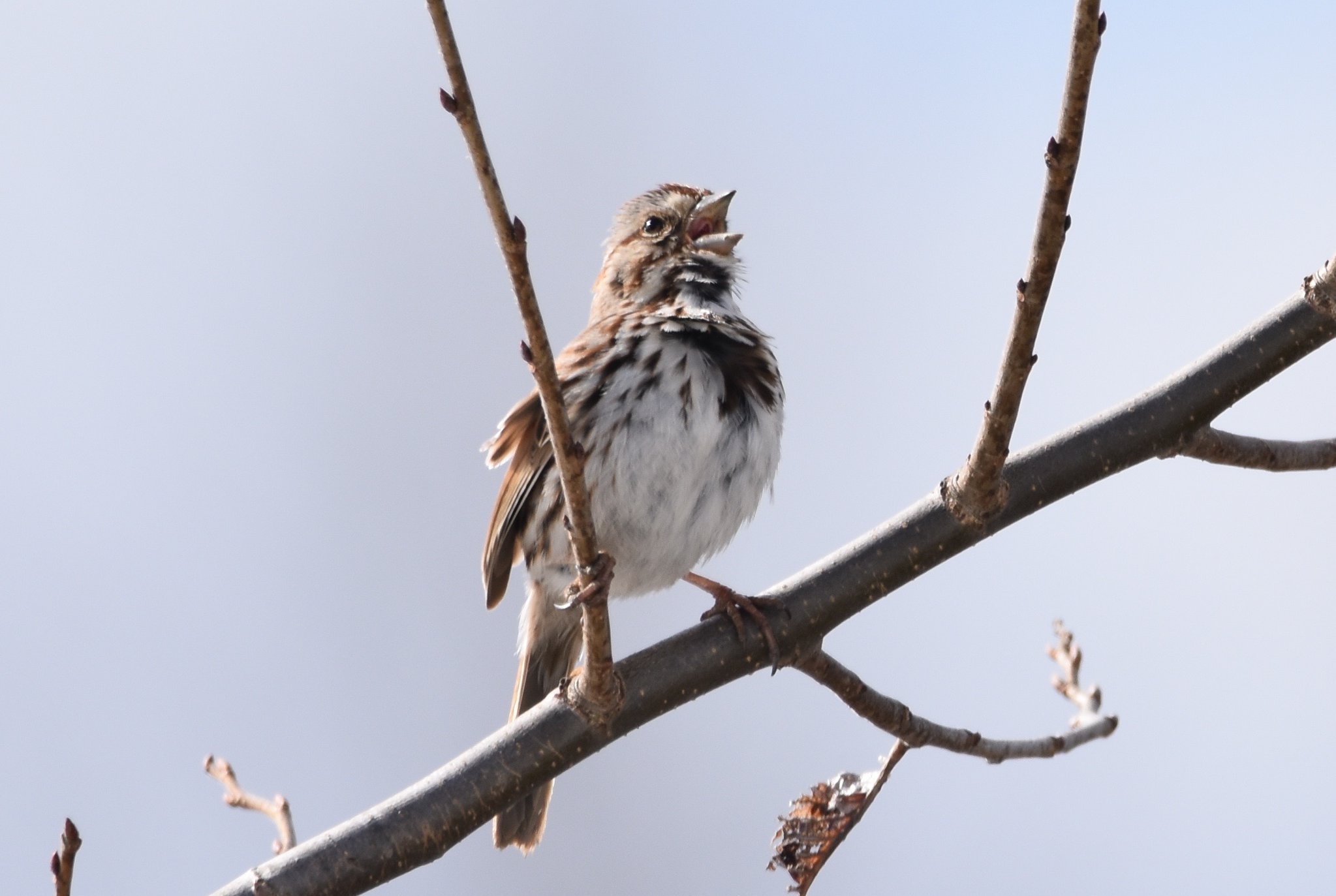
PF: My Home

This month Catherine Flynn posed the challenge for our group: “Copy a mentor poem (or other text) word for word, then replace [that poet’s] language with your own.” She was inspired by an article that she’d read in the NYT entitled, “How E.L. Doctorrow Taught an Aspiring Writer to Hear the Sounds of Fiction. I decided to try this with a wonderful poem by Renée Watson: “This Body II.”

This Body II

My body is
perfect and
imperfect and
Black and
girl and
big and
thick hair and
short legs and
scraped knee and
healed scar and
click for the rest of the poem here

Here’s my poem. I struggled with the ending two lines and ultimately deviated from Watson’s original form. I’d still be fiddling if it weren’t Friday already.

My Home

My house is
inviting and
imperfect and
red and
old and
big and
slightly crooked and
terribly cluttered and
horsehair plaster and
cobweb corners and
walls sheltering and
laughter that echoes and
generations that whisper and
doors to step through and
windows that frame and
my parent’s loveseat and
my in-law’s chair and
my grandparent’s buffet and

my house is coalescence
my house is my home.

©Molly Hogan

If you’d like to see what some others have done with this prompt, check out their blogs at the following links:

Heidi Mordhorst at My Juicy Little Universe
Catherine Flynn at Reading to the Core
Linda Mitchell at A Word Edgewise
Margaret Simon at Reflections on the Teche

This week’s Poetry Friday Roundup is hosted by Jone MacCulloch at her blog.

PF: Two short poems

Every week, Margaret Simon of Reflections on the Teche, shares a photo prompt and invites others to write a short poetic response. This week she shared two photos of butterweed flowers and some background information about them. She also mentioned that her husband mows around these flowers in their yard, because he knows she likes them. That inspired my response:

Photo by Margaret Simon

Outside the window,
spring dawns with jaunty blossoms.
Her spirits rise.
He mows around each cluster,
a gesture sweet as a kiss.

©Molly Hogan

I also was inspired by this morning’s lovely sky — variegated clouds and an almost-full moon. I only had my cell phone and it was still quite dark, so the picture I took looked a bit grainy or diffuse, more like a watercolor than a photograph. I loved the storybook illustration feel of it.

wolf moon skirts clouds
shelters in pine’s embrace
storybook morning

©Molly Hogan

This week’s Poetry Friday Roundup is hosted by Jan Annino at her blog BookSeedStudio.

Silver Linings

I can’t remember exactly how the conversation started, but I know it was during morning meeting. This year, we’ve often talked about choosing the lens through which we see the world. For example, right now our class focus, inspired by Irene Latham and Charles Water’s Dictionary for a Better World, is “kindness.” So, we’re trying to keep a keen eye out for acts of kindness and put them on our “Catch ’em Being Kind” bulletin board. We’ve talked about how looking for kindness helps us see it in our daily lives, which makes us feel good and also inspires us to be more kind. Somehow during the twists and turns of our discussion, I said something about “silver linings.”

They looked at me blankly.

“Have you ever heard that expression?” I asked. I fully anticipated a hand or two to shoot up, but none did, and heads shook from side to side.

“Oh,” I said, “well, have you ever seen a big dark cloud that blocks the sun, but the sun behind it lights up its edges so they sort of shimmer or glow?”

They nodded and I continued.

“Well, that’s called a silver lining. So sometimes when people are in the midst of hard times or unpleasant things, like a dark cloud, they notice there are some positive things happening, too. They call those silver linings. It’s sort of a metaphor for being optimistic–seeing the good things in the midst of the bad.”

This led into a conversation about the “up-sides” or silver linings of Covid. Spontaneously, I asked them to share any silver linings they’d had in their experience with Covid. Several students raised their hands immediately.

“I’ve learned to bake,” a student said. “I used to need a lot of help, but now I can bake things by myself.”

“We’ve gone hiking a lot more,” another student volunteered.

B. raised her hand. “I’ve been reading so much,” she said. ” I’ve had more time at home, so I just read and read and read.” Several other kids made our silent class “agree” signal.

Then, another student raised his hand.

“I learned to read during the pandemic,” he announced proudly.

Oh.

What a powerful statement that is.

“I learned to read during the pandemic.”

It just grabs you, doesn’t it? My heart swelled and the comment took me back to a staff meeting late last summer, probably before school even started. Our Principal, in a wry voice, said, “Well, welcome to the job you never applied for and didn’t want, but now you’ve got it. Congratulations!” Then he went on, in all seriousness, to talk about the work ahead. At one point he said, “When people ask you what you’re doing, just say ‘I’m teaching during a pandemic.'”

I didn’t play a part in that student learning to read, as his academic instruction doesn’t occur in our classroom. But I’m here, every day, doing my best to teach during a pandemic–trying to help kids navigate these crazy times, find joy in their worlds, and grow as learners and people. It’s tough work and sometimes it threatens to pull me under. But then I think of those silver linings. Of that student proclaiming, “I learned to read during a pandemic. Of another student who during a writing reflection wrote, “I used to be the kind of writer who didn’t like writing, but now I’m really interested in doing writing.”

Just like kindness, if you keep your eye out for the silver linings, you’ll find them.

And though I need to be reminded of this once in a while, many of them are happening in my fourth grade classroom every day.

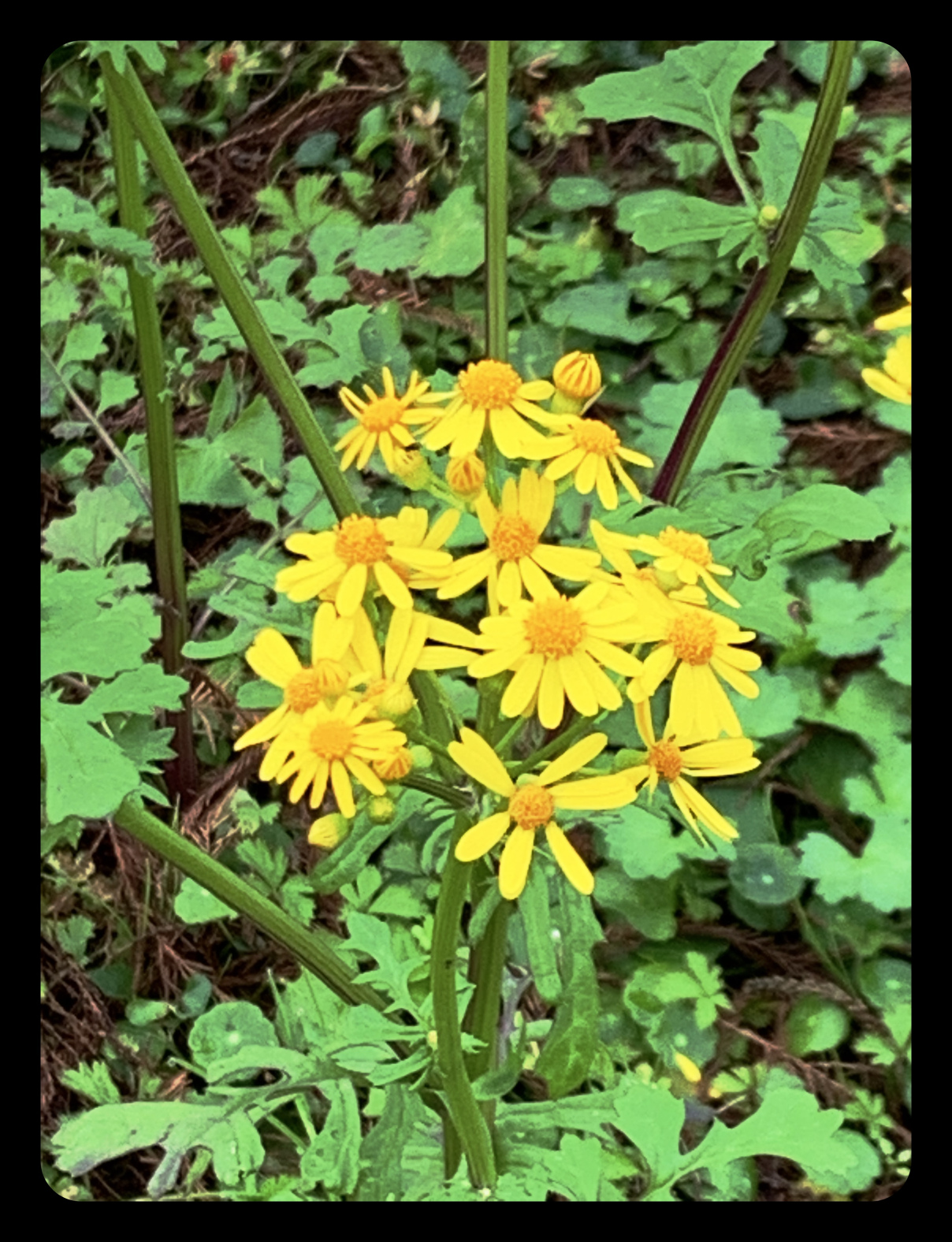
Balm for the Soul

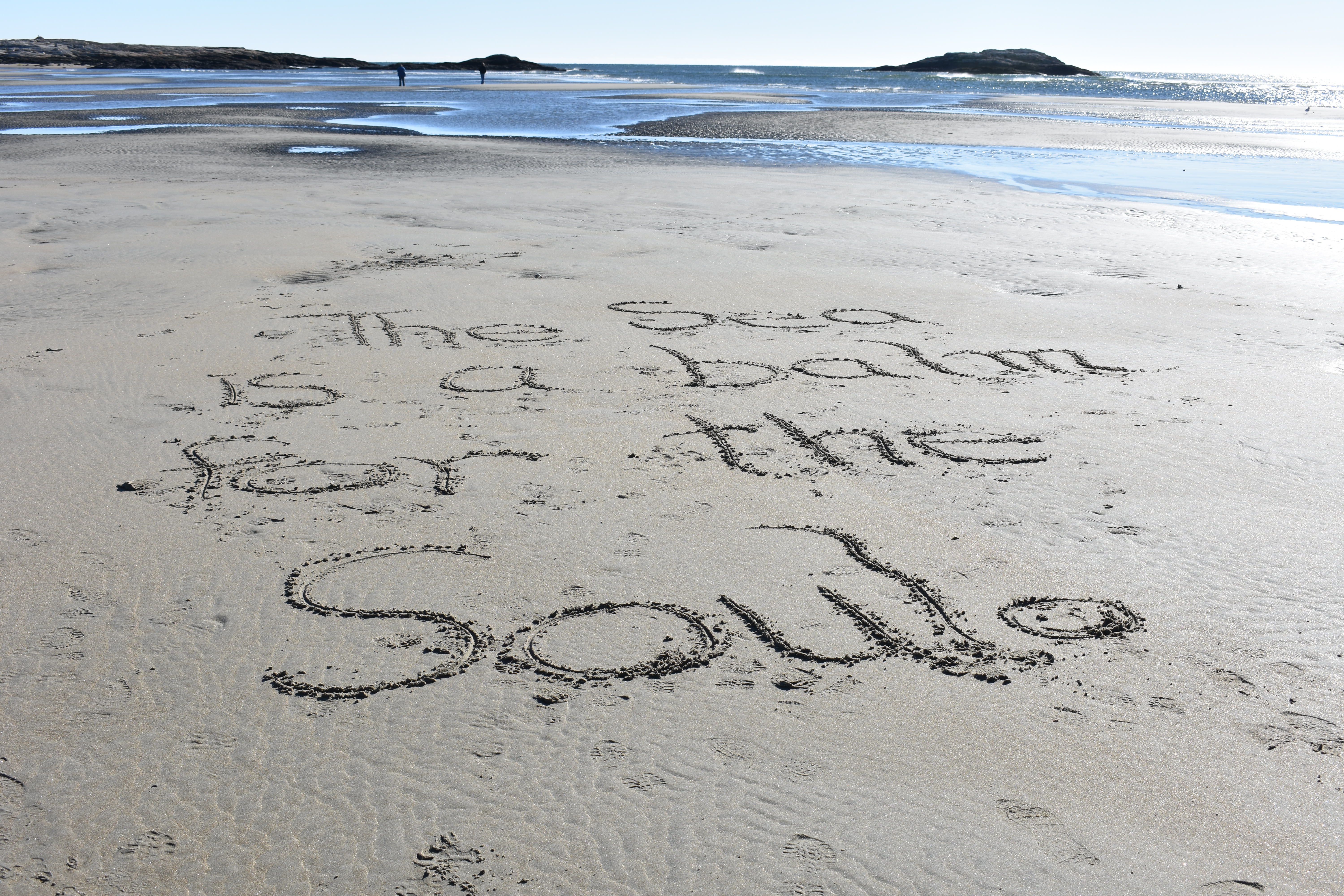
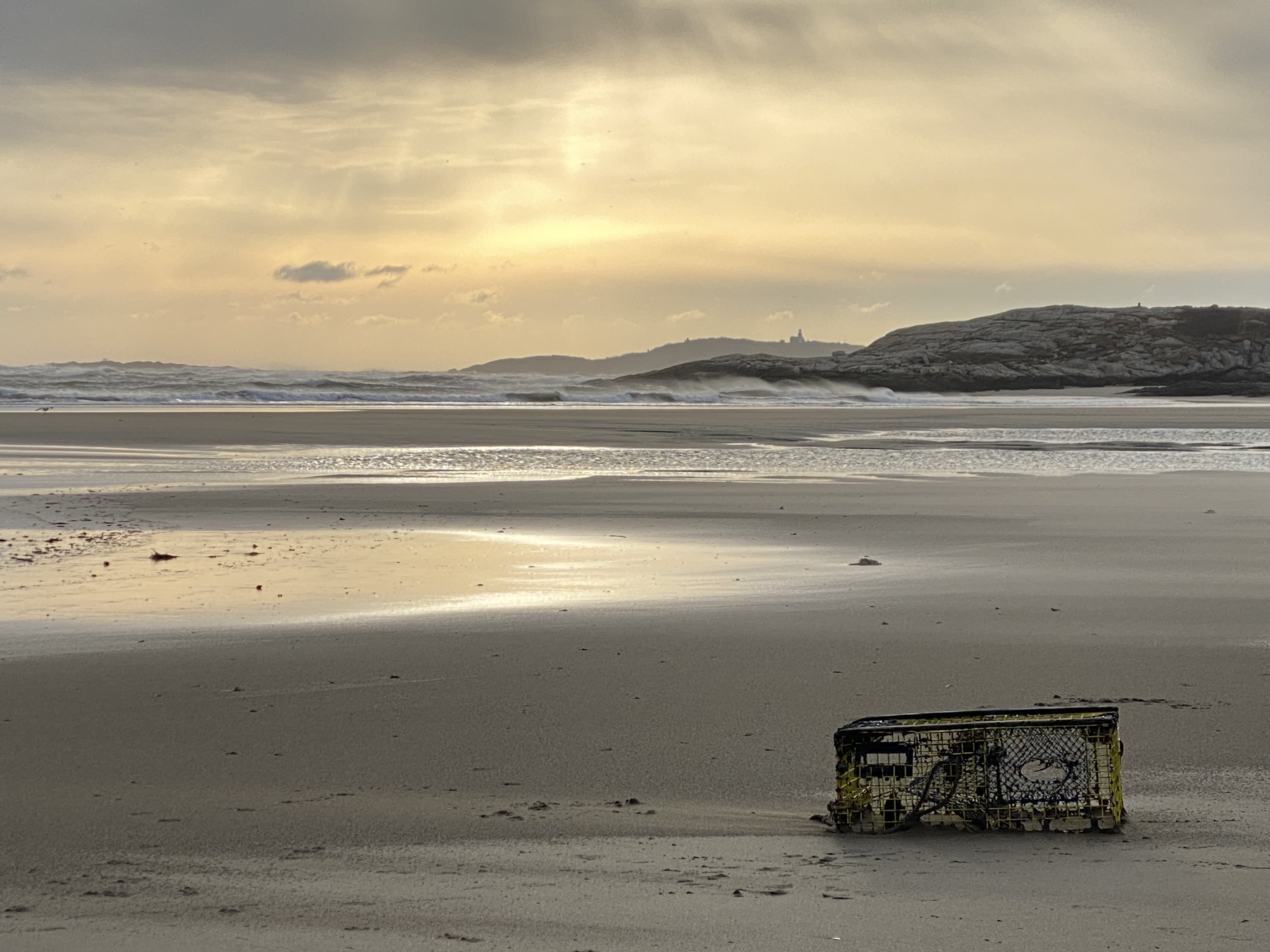
In these troubled times I’ve been finding solace at the beach.

At the beach

hours ago
I stood
feet braced
in shifting sand
buffeted by the wind
marveling at collaged clouds
and feeling the growing light
like a pulse
prickling my skin
Westerly gusts
sent currents
of fine, dry sand
streaming over wet
I walked as if within
a flowing hourglass
bent into the wind,
breaking dawn
with the turbulent sea.

Now as the final sands
of this day slip by
I sit at my desk
casting back
to the beach
still feeling the push
and pull
of the wind
hearing the echo
of the churning surf
tugged outward
by moon’s invisible lure
as surely as I
am pulled toward
that tumultuous shore
time and time again

©Molly Hogan

Like so many others, I was transfixed listening to Amanda Gorman recite her poem, “The Hill We Climb”, at Wednesday’s Inauguration. I’ve listened to it again and again. With my classes. With my family. By myself. Every time I discover something new. So many have already said it, but what an amazing young woman! She gives me hope.

The day after the inauguration, the sunrise was especially stunning. I thought immediately, “Ahhhh. This must be the new dawn blooming.”

Poetry Friday this week is hosted by Laura Shovan at her blog. She’s sharing information about her February Poetry Project with the theme of “Bodies.” I’ve been lucky enough to be a part of this group for several years now and am looking forward to participating again. Laura is opening up the project by sharing prompts on her blog this year, too. Check it out!

Embracing the Mystery

Amidst the turmoil of last week, Ruth Ayres posted her latest writing invitation– a prompt to respond to the word “write”. In her prompt, she wrote, “This is a reminder that it’s okay to write, even when you don’t know what to think.”

As I started responding in my notebook, I quickly found myself thinking of my recent rededication to morning pages. I’ve been working hard to write three pages a day and to embrace a stream of consciousness approach to the whole exercise. Soon I found myself writing: “Write even when you don’t know where you’re going.” Then, just like that, I was remembering Mystery Drives.

DeLorme Atlas & Gazetteer: Maine

Long ago, when our children were young, we used to occasionally set out on what we called “Mystery Drives.” We’d start by piling all the kids in the car. Then, we’d decide on an order: oldest to youngest, youngest to oldest, alphabetical by name or whatever. At the end of our driveway, we’d stop and ask the first child, “Which way?” They’d make a choice, point, and off we’d go. As we came to each intersection, we’d ask the next child, and let them select. And so on and so on. We’d continue this until we were typically out in the countryside seeing rarely visited or new sites. This was well before the days of easy GPS access and our trusted lifeline was a well-worn DeLorme atlas of Maine. We also had a compass in the car, so we knew that if worse came to worse, we could always head east.

As we drove, we discovered new views, new vistas. Sometimes. But sometimes we didn’t. And that was okay, too. Regardless of what we saw, throughout the journey there was a wonderful sense of possibility. Who knew what discovery might be around the next corner? Who knew where we might end up? I think back on those days now and wish we’d done that a bit more often.

It occurs to me that writing when you don’t know where you’re going is similar to a Mystery Drive. You just keep making choices when you get to an intersection. You may end up driving over familiar ground, you may discover fascinating new vistas –intriguing ideas, untapped memories–or you may even become lost. The point is the journey and the open nature of it–Just making your way through the terrain, one turn at a time. Eventually you’ll figure out how to find your way home, you’ll have some new experiences under your belt, and perhaps you’ll be all the richer for having set out not knowing where you were headed.

January Challenge: Finding Nestlings

The New Year begins with a new challenge from Heidi Mordhorst. She suggested that we: “Write or find a nest poem: a longer poem of a dozen lines within which you find at least half a dozen nestlings, à la Irene Latham.”

If you haven’t encountered Irene’s latest book, “This Poem is a Nest”, you are probably not familiar with the concept of nestlings, a version of found poems. True to her brilliant, innovative style, Irene has written a poem and then used that poem as the source for smaller found poems, or nestlings. The only hard-and-fast rule is to use the words in the order in which they appear in the original source poem. Titles do not need to come from the poem. It’s far more challenging than it sounds, but it’s also a lot of fun!

Initially, I thought I was going to work with a poem I’d written that was inspired by Robert Frost. I ended up changing my mind and choosing a piece by Frost for my nest. This might be cheating, but I prefer to call it improvising. I chose Frost’s poem, “A Prayer in Spring.”

A Prayer in Spring

Oh, give us pleasure in the flowers to-day;
And give us not to think so far away
As the uncertain harvest; keep us here
All simply in the springing of the year.

Oh, give us pleasure in the orchard white,
Like nothing else by day, like ghosts by night;
And make us happy in the happy bees,
The swarm dilating round the perfect trees.

And make us happy in the darting bird
That suddenly above the bees is heard,
The meteor that thrusts in with needle bill,
And off a blossom in mid air stands still.

For this is love and nothing else is love,
The which it is reserved for God above
To sanctify to what far ends He will,
But which it only needs that we fulfill.

No photo description available.

Here are my nestlings (though I didn’t quite make it to the requisite half dozen):

Oh, spring!
pleasure by day
by night

And then hummingbird departs

darting meteor
thrusts 
off a blossom

In this second year of the pandemic…

far away
uncertain harvest
need, loss

A Sudden Haunting of Memories

ghosts swarm
make us 
suddenly 
stand still

A Heartfelt Plea

oh, not to think!
uncertain by day
ghosts by night

To see what other Swaggers have done with this challenge, visit their blogs:
Linda Mitchell: A Word Edgewise
Catherine Flynn: Reading to the Core
Margaret Simon: Reflections on the Teche
Heidi Mordhorst: My Juicy Little Universe

Then be sure to stop by Sylvia Vardell’s blog, Poetry for Children. She’s hosting the Poetry Friday Roundup there this week and she’s sharing a sneak peek of 2021 poetry for young people. What a resource!

Teaching Tip: Use engaging video clips to elicit lively conversation

I had previewed the recommended video segment on Sunday, and knew it would be immediately engaging for my fourth graders. The opening scene showed a frog spewing a mass of eggs. Up close and personal. Later on in the footage, two frogs are mating on a leaf. I knew it was a great clip to research how a narrator might use their voice to make it easier for a listener to learn, but let’s just say I expected a variety of responses.

True to my expectations, as soon as the video started, there was a chorus of “Ew!” and “Gross!” with a few “Wow!”s sprinkled in. Then, as the video ended, the kids erupted into conversation. Some of it was responding to our guiding question, more of it was clearly not.

Above the hubbub, one boy’s voice rose strong and clear, “Did you see that baby getting a ride on its mom?”

Oh, boy.

While thoughts flashed through my head–Is he joking or serious? Do I ignore that or explain? How much do I explain? –a female classmate matter-of-factly replied.

“That wasn’t a baby. That was the father.”

“I guess he’s just too lazy to walk on his own,” the boy replied, laughing.

Okaaay…he is clearly utterly at sea.

She looked at him for a moment, then calmly replied, “He isn’t lazy. He’s fertilizing the eggs.”

“Well,” he proclaimed to the class–and honestly I do believe there was no intended double entendre here, just complete naivete–“he’s probably just going to keep riding her down to the water.”

At this point his classmate gave up on her attempts to educate him and I simultaneously steered the class back to our guiding question, stifling my laughter masterfully.

In the end, we had a good conversation about nonfiction reading fluency, but I have to admit, it really wasn’t nearly as entertaining as the previous one.

Sneaky

I’m responding to two prompts today: Ruth Ayres’ SOS invitation to write in response to a word of choice and Jennifer Laffin of Teach Write‘s #DWHabit Word of the Day prompt: sneaky.

My first thought was that “sneaky” is an unpleasant little word. It makes me think of slinking, illicit activity, although admittedly of the low-grade variety– more misdeeds than felonious offenses. Then I reconsidered. Because although I mostly think of myself as an above-board citizen, I definitely have a sneaky streak when it comes to sweets. It was worse when I was young but is still very much present. In fact, one of the things I treasure most about adulthood is that no one can say that I can’t buy and/or consume as many candy bars or cookies or sweets as I’d like. Or if they do say it, I don’t have to listen. At any rate, thinking of my sweet tooth sent me straight back to childhood memories of what can only be deemed “sneaky” behavior.

My mom was an excellent baker and lucky for us, our cookie jar was always stocked with home-baked cookies. We definitely were given our fair share of cookies, but I distinctly recall many strategically-planned sneaky cookie forays.

I chose my time carefully. I always waited until Mom headed upstairs, listening for the tell-take soft sound of her steps on the stairs. Then I’d tiptoe into the kitchen, carefully glancing about.

Yes! The coast was clear!

My mother stored the cookie jar on the counter farthest from the family room and nearest the door to the hallway. (Only now do I recognize that this was not a chance placement! ) With ninja stealth, I’d cross the kitchen. Step by slow step. Reaching the counter, I’d stretch my hand out to touch the round knob on top of the jar. Then, finger by finger, I’d wrap my hand about it. Next, slow-slow-slowly steady-steady-steadily I’d lift the ceramic top of the cookie jar.

Centimeter by centimeter.

Higher and higher.

Holding my breath.

My other greedy little hand hovered nearby, twitched, eager to reach in and grab some extra cookie goodness.

To this day, I honestly don’t know how she did it. That jar lid must have made some infinitesimal sort of mom-noise–inaudible to me, but loud and clear to her maternal auditory super powers. I actually remember seriously wondering more than once if somehow she’d contrived a sort of alarm system.

And it’s funny. I can’t for the life of me remember what that cookie jar looked like or even specifically what those cookies tasted like. But I still remember the feel of that round knob in my hand with sweet victory so close and then…oh-so-clearly… mom’s voice calling down like a judgement from the second-floor heavens: “Get out of the cookie jar!”

Poem Seed Poems

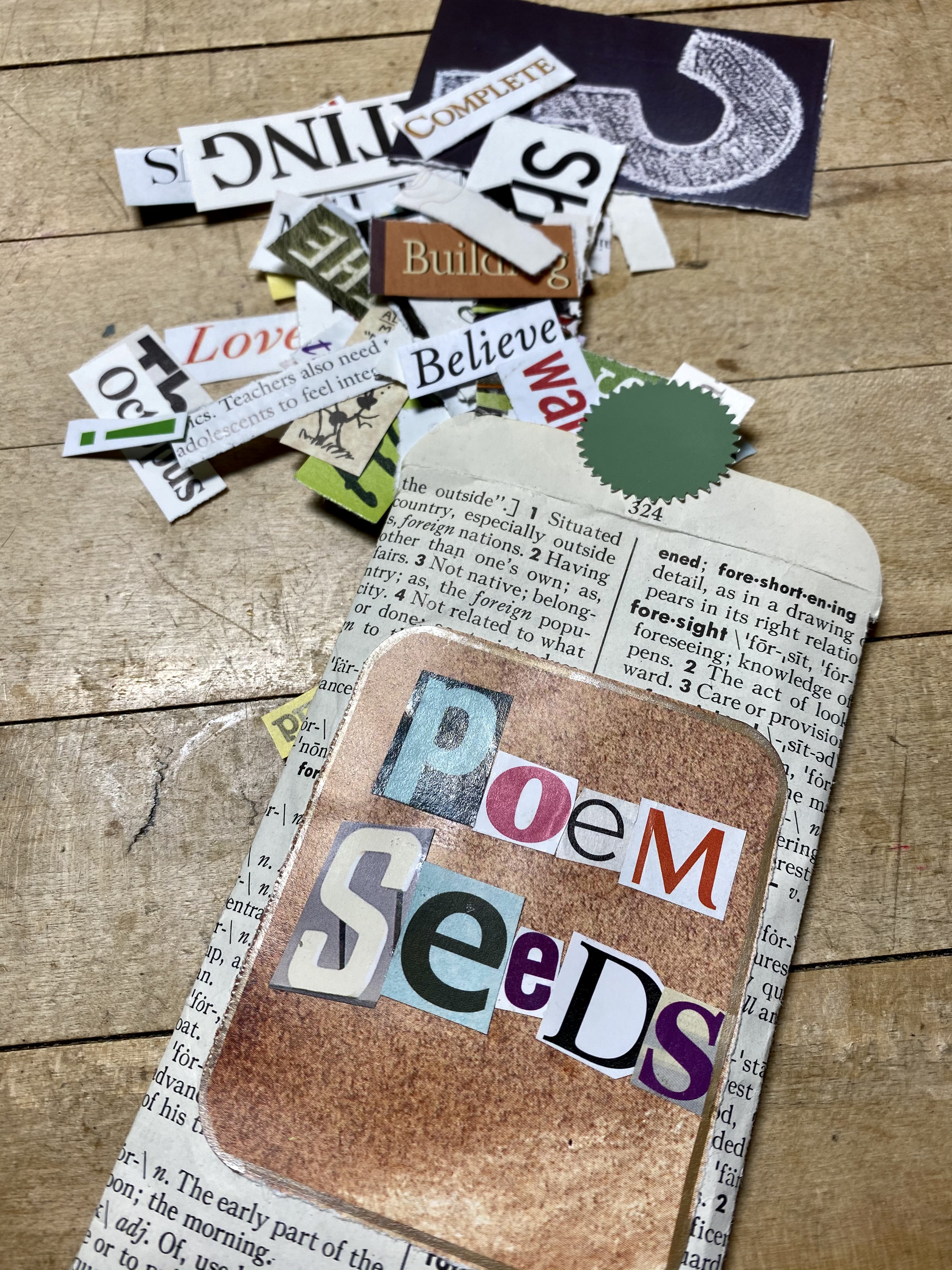
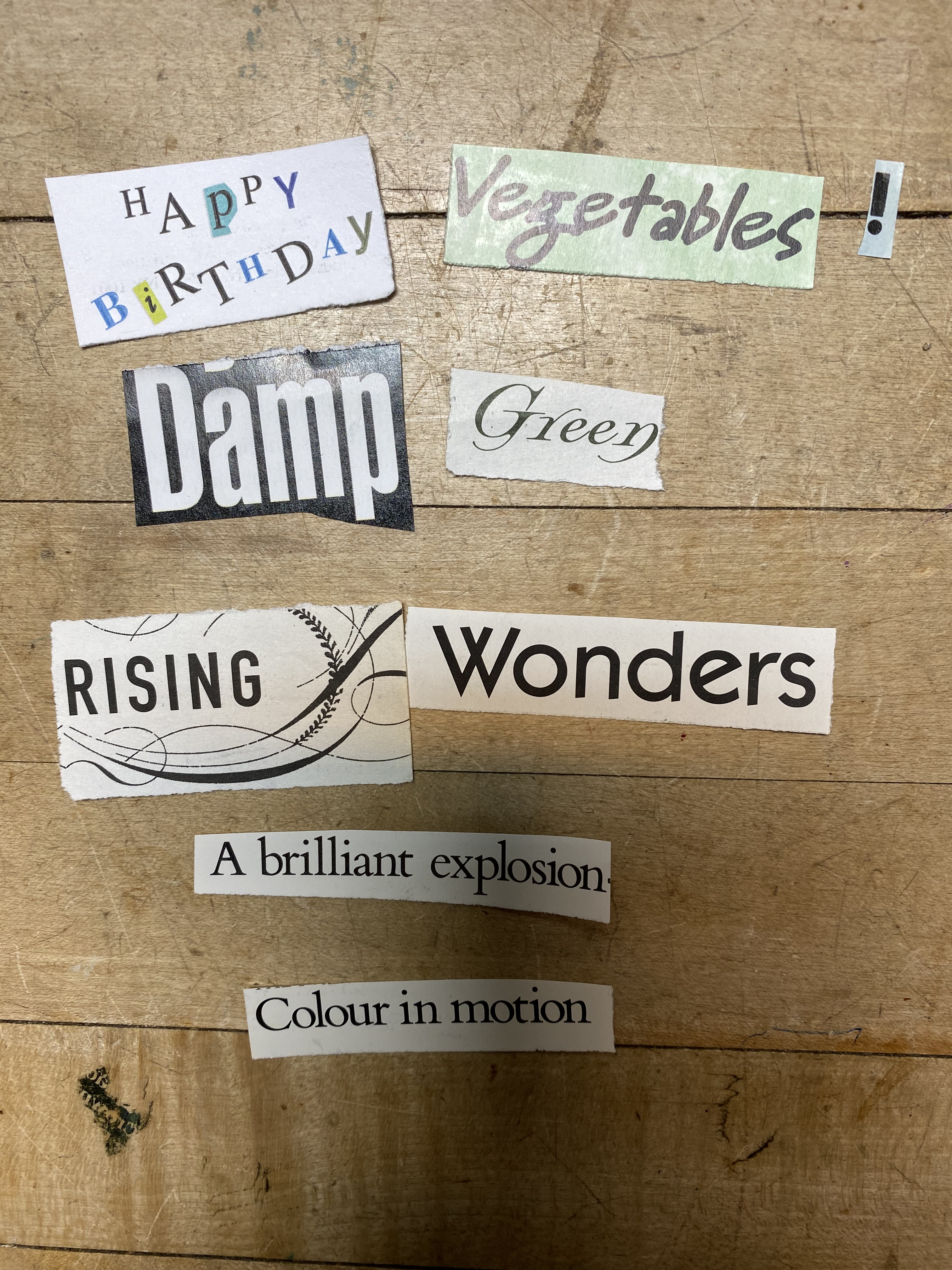
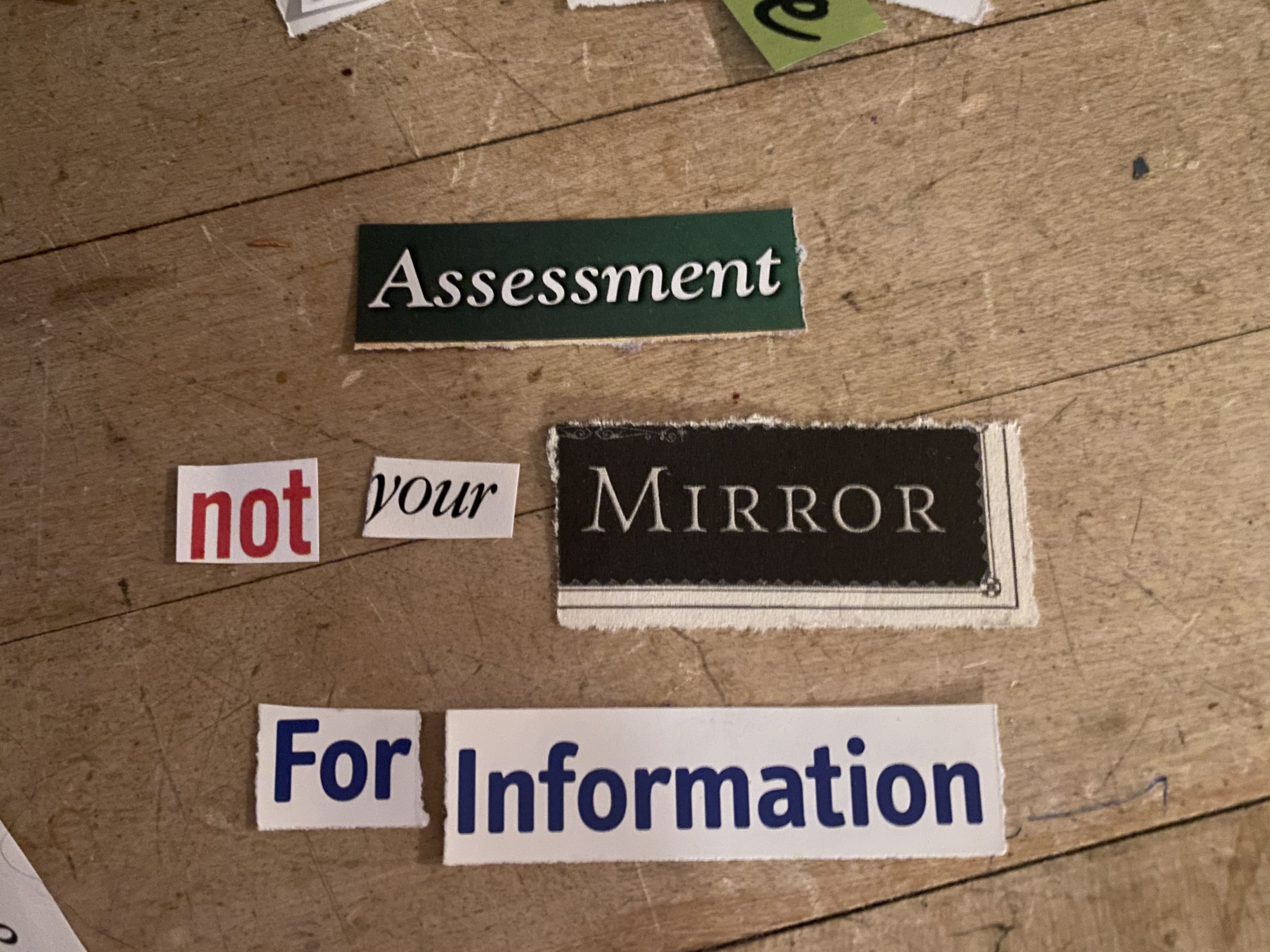
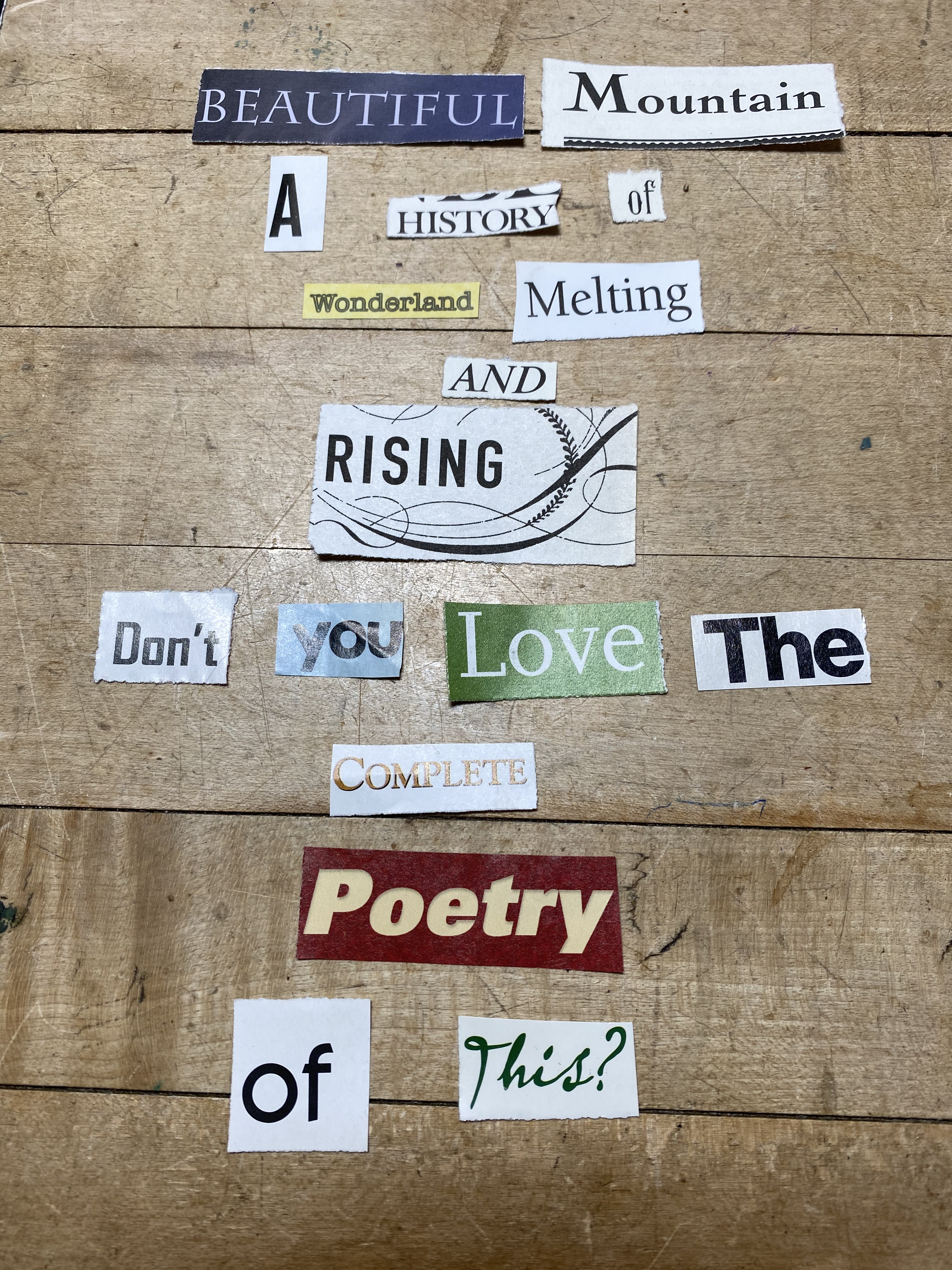
About two weeks ago, I received an unexpected gift from Linda Mitchell — a delightfully crafted packet of Poem Seeds! What a treasure! (Thanks again, Linda!) I’ve played with them several times since then and here are a few of my seedling efforts.

This week’s Poetry Friday Roundup is hosted by Irene Latham at her blog, Live Your Poem. She’s sharing her last ArtSpeak: Red poem of 2020, inspired by a charming Christmas Bird.

A Gift from Robert Frost

The Ethical ELA prompts are a gift each month. Even when my time to participate is limited, I look forward to each prompt, and spend time noodling about with them in my notebooks. They always get me thinking in new ways and sometimes lead me to surprising discoveries.

This month’s prompt from Jennifer Guyor-Jowett was “Create a poem of titles from a poet, whose words are a gift to you (much like book spine poetry). Feel free to pretty the titles up with as many of your own words as you’d like or add words sparingly. “

I have been spending some time with Robert Frost lately, so I celebrated the gifts of his words in my poem.

The Aim Was Song*

Long After
The Last Mowing,
I wander through
A Dust of Snow,
regretting attention not paid
during Blue-Butterfly Days
and to The Cow in Apple Time.

The Rose Family
has long moved on and
The Fireflies in the Garden
long ago flickered
one last time
then departed.

Did you notice?
Did you hear
The Last Word of a Bluebird
before it took flight
into Fragmentary Blue
with Love and a Question
for us all:
Why do we save
Our Singing Strength?

Look! See!
Find The Courage to Be New!
A Late Walk
is better than none.
Add your voice
to the chorus.
Let it pour forth
vulnerable and beautiful
like The Exposed Nest.
For ultimately,
always,
The Aim Was Song.

©Molly Hogan

(*Title Poetry From Robert Frost)

Michelle Kogan, poet, artist, and activist, is hosting this week’s Poetry Friday Roundup at her blog. Be sure to stop by!